
Host a Course
Host a course and bring hands-on forensic training directly to your agency.
Hosting a course allows your personnel to train locally, reduces travel and lodging expenses, and gives your agency access to practical instruction in crime scene photography, bloodstain pattern analysis, and crime scene processing and documentation.
Host agencies receive:
- 1 free seat with 6 paid attendees
- 2 free seats with 10 paid attendees
- 3 free seats with 14 paid attendees
Pinnacle Forensics provides the course flyer, creates a course webpage with registration information, prepares a host agency promotional packet with ready-to-use email and social media copy, markets the class, and covers instructor travel costs. Your agency provides the location and helps share the course with internal personnel, nearby agencies, training coordinators, or regional law enforcement contacts.
Why host a course with Pinnacle Forensics?
Agencies host courses with Pinnacle Forensics when they want practical, agency-centered training without sending personnel outside the region. Most courses are hosted by a single agency and may be opened to nearby law enforcement personnel when space is available.
Agencies reviewing hosting logistics can visit the FAQ page for answers about training, documentation, registration, payment, and course administration.
Before scheduling a course, agencies can review testimonials from prior course participants and host agencies.
Agencies evaluating training options can review why agencies choose Pinnacle Forensics training before requesting host information.
Ready to discuss hosting a course? Complete the form below, and Pinnacle Forensics will follow up with course availability, hosting details, and next steps.
What students and professionals say
Feedback from law enforcement personnel and forensic professionals reflects the practical, methodical approach used throughout Pinnacle Forensics training, case review, and consulting.
Very knowledgeable instructor who breaks down difficult concepts into easy-to-remember concepts with insightful hands-on practicals.
Paul Richards
Fremont Police Department
John gave great lectures and included a lot of hands-on exercises. As someone new to this field, I feel confident enough to go and take photos at any scene.
Crystal Carbajal
Rockport Police Department
The instructor is extremely knowledgeable and helpful in trying to help others succeed. I would highly recommend this training to anyone working in crime scene investigation.
Noah Hood
Longview Police Department
View upcoming hands-on crime scene training, host a course at your agency, or request a case review when independent forensic consultation is needed.
Bloodstain Pattern Analysis Training Demonstrations
Short instructional demonstrations from live Bloodstain Pattern Analysis training, designed for crime scene investigators and focused on applied blood spatter interpretation, area-of-origin methods, and courtroom-defensible analysis.
Bloodstain Pattern Analysis Training Videos
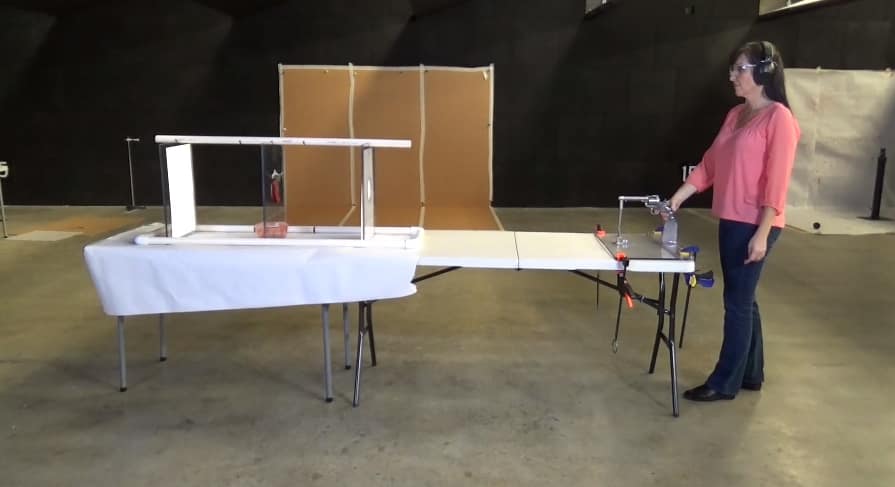
Short, courtroom-defensible training videos demonstrating practical bloodstain pattern analysis and blood spatter interpretation methods used in real-world investigations.
Bloodstain Pattern Analysis Training Videos
1:42
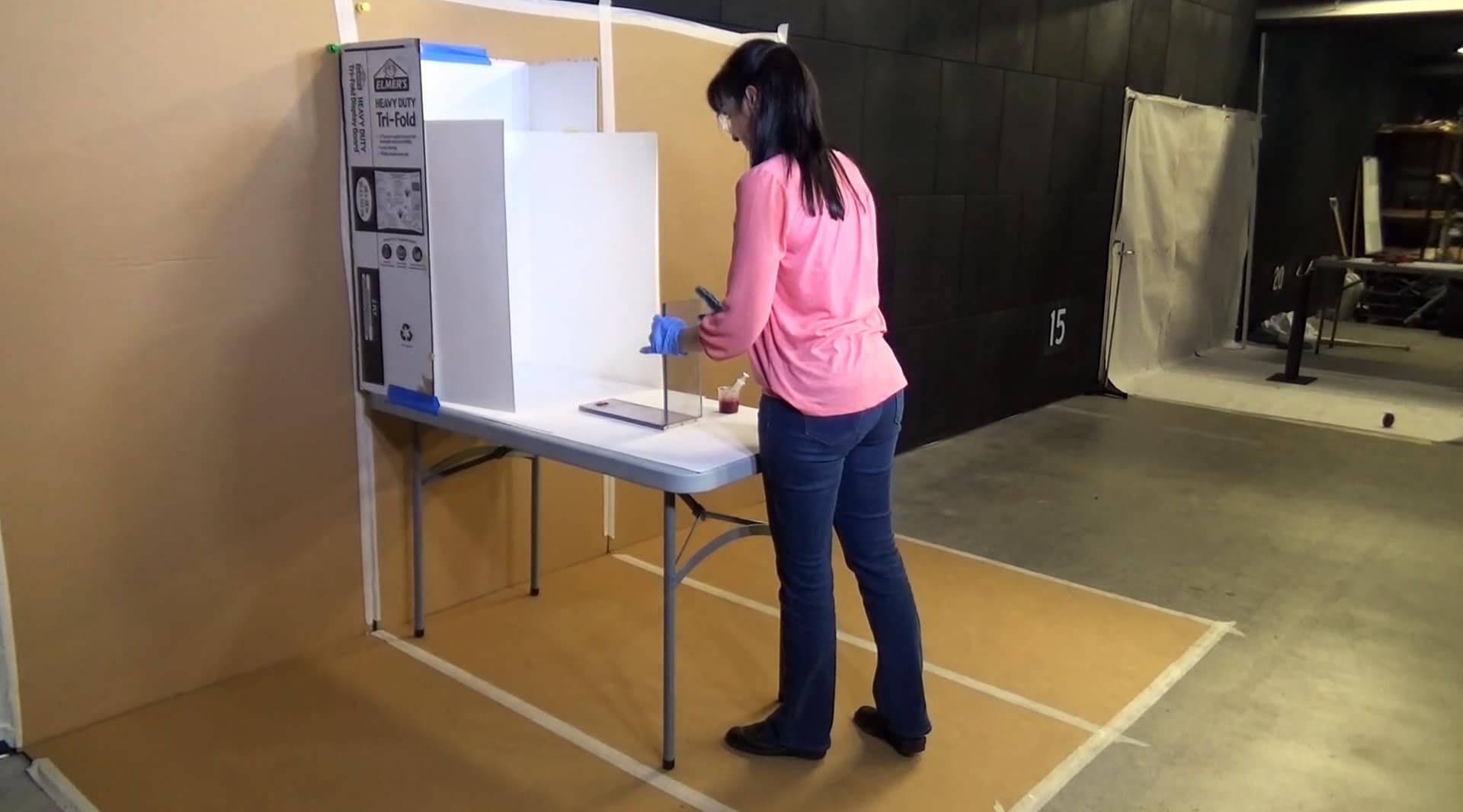
1:20
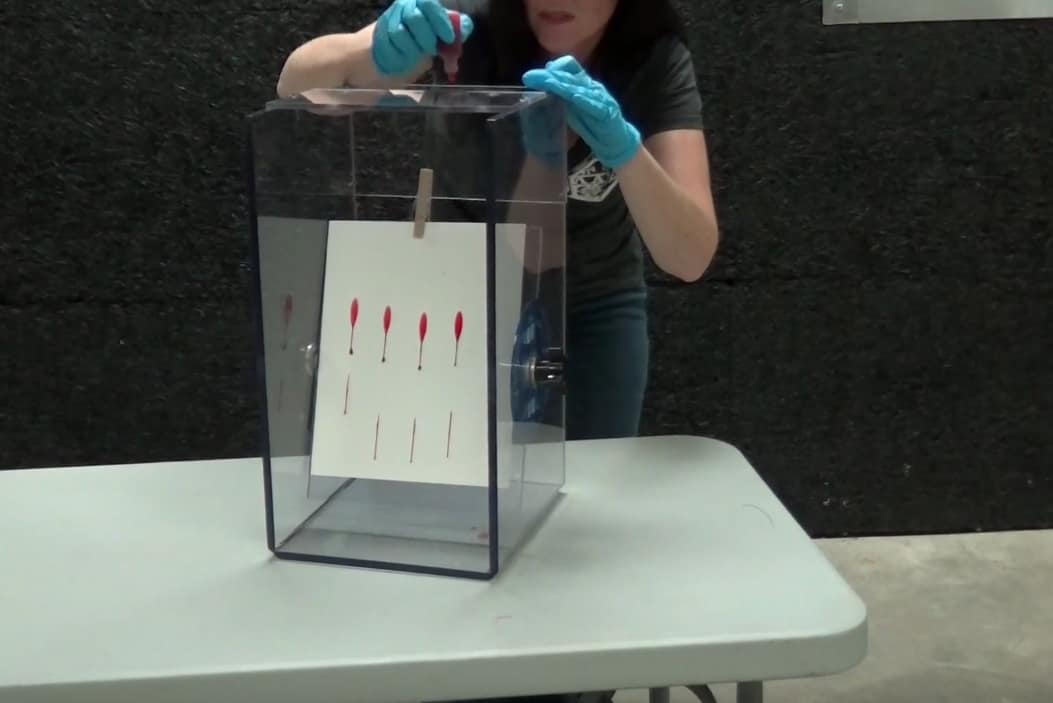
1:42
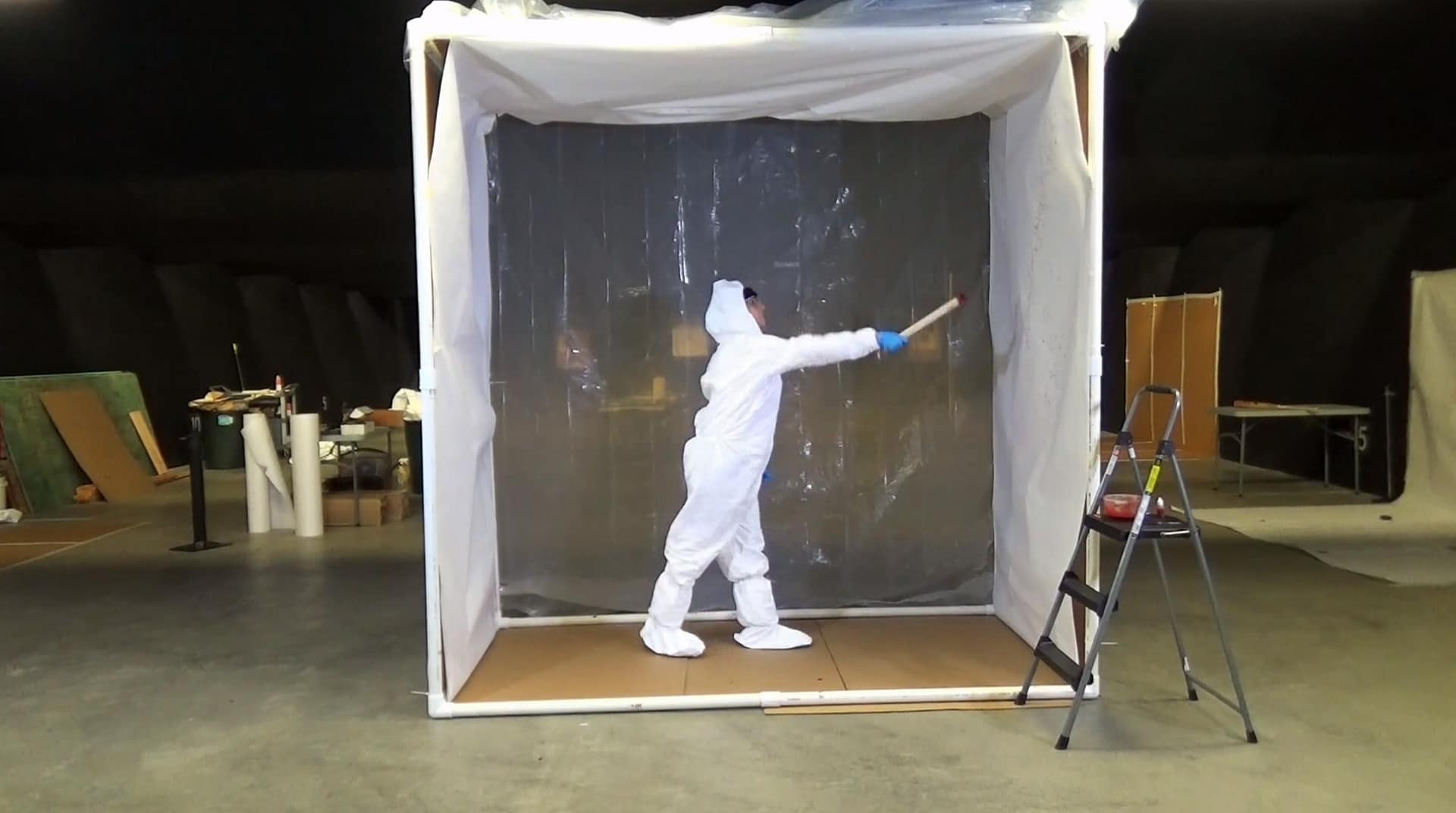
1:45
Explosive force can disperse liquid blood into fine droplets and produce complex impact patterns on nearby surfaces. Interpretation should be grounded in overall scene context and the pattern’s features and may help distinguish forward blood spatter from backspatter when the staining is suitable for analysis.
Stain size in impact patterns can correlate with the force applied to a liquid blood source, but droplet size alone does not identify the mechanism. A reliable interpretation considers the suspected object or event dynamics and whether the pattern contains sufficient characteristics to support area-of-origin analysis.
Individual bloodstains can range from circular to elliptical, and their shape reflects the angle at which blood impacts a surface. When enough suitable stains are present, impact-angle interpretation can be correlated across the pattern to support an area-of-origin determination.
Cast-off patterns are linear to semi-linear bloodstain trails, sometimes with slight curvature, formed when blood is released from an object in motion. They commonly result from swinging movements of a blood-bearing object such as a hammer, pipe, or hand.