
Crime Scene Photography Training
Nationwide 40-Hour Hands-On Law Enforcement Training
Pinnacle Forensics provides 40-hour, hands-on crime scene photography training for law enforcement agencies nationwide. The course progresses from foundational photography principles to advanced forensic techniques, giving investigators practical skills to document crime scenes, evidence, injuries, vehicles, shooting scenes, and difficult lighting.
40 Hours • IAI-Approved • 23 Practical Exercises • 285-Page Course Manual • Evening/Night Photography Session
Bring crime scene photography training to your agency
Host the course at your agency and, when seats are available, invite personnel from neighboring police departments, sheriff’s offices, crime laboratories, and other regional law enforcement partners.
Pinnacle Forensics handles attendee registration and tuition collection, with no separate instructor travel or lodging charge to the host agency.
Complimentary host seats
A minimum of 10 paid attendees is required to confirm the course. Host agencies receive complimentary seats based on paid enrollment.
1 Complimentary Seat
2 Complimentary Seats
3 Complimentary Seats
John Calvin Gaziano, MFS, MS
Crime scene instructor • forensic consultant • retired police sergeant

John personally teaches each Pinnacle Forensics Crime Scene Photography course. He brings 32 years of law enforcement experience, including 24 years in crime scene investigation and analysis, and spent more than 20 years assigned to the Fremont Police Department Crime Scene Investigation Unit, later supervising the unit as a sergeant.
His academic credentials include a Master of Forensic Science, a Master of Science in Criminal Justice, and a Bachelor of Science from the University of California, Berkeley. Over his career, John has processed, analyzed, and reconstructed thousands of crime scenes and has been qualified in court as a forensic expert.
John is the author of the 285-page Crime Scene Photography: A Practical Approach to Forensic Documentation. His instruction draws on real casework, courtroom experience, and the practical documentation problems investigators encounter in the field.
What students say about the course
The testimonials below are excerpts from student reviews. Full, unedited reviews are available on our Testimonials page.

“…applicable techniques you can really use in the field to advance your crime scene photography skills in a professional, practical way.”
Megan Heichel
Montgomery County Coroner’s Office
“This was one of the most useful crime scene classes I’ve taken. The instructor, John, was amazing, knowledgeable and made everything easy to understand.”
Kassy Chandler
Port Arthur Police Department
“…it was one of the most beneficial training classes I have taken in my law enforcement career.”
Christopher Garcia
Caldwell County Sheriff’s Office
Crime scene photography course topics
- Composition and Photography Fundamentals
- Exposure — Aperture, Shutter Speed, ISO, Bracketing, and Reciprocity
- Lenses, Focus, and Depth of Field
- Crime Scene Documentation
- Electronic Flash and Bounce Flash
- Oblique Lighting
- Infrared, Ultraviolet, and Fluorescence Photography
- Chemiluminescence Photography
- Night Photography and Painting with Light
- Shooting Scene Documentation
- Bullet Trajectory Photography — Rods and Lasers
- Officer-Involved Shooting Photography
- Bloodstain Pattern Documentation
- Vehicle Documentation
- Body and Injury Photography
- Fingerprint, Evidence, and Impression Photography
- Digital Image Integrity
- Courtroom Testimony and Photographic Evidence
Course information
- Course duration: 40 hours
- Tuition: $695
- Prerequisites: None
- Course materials: Printed 285-page course manual included
- Registration: No payment required until the course is confirmed
- Schedule: Includes a dedicated evening/night photography session
- IAI certification credits: 40 credits toward Initial Forensic Photography & Imaging (FP&I) Certification
- IAI certification credits: 40 credits toward Crime Scene Certification/Recertification
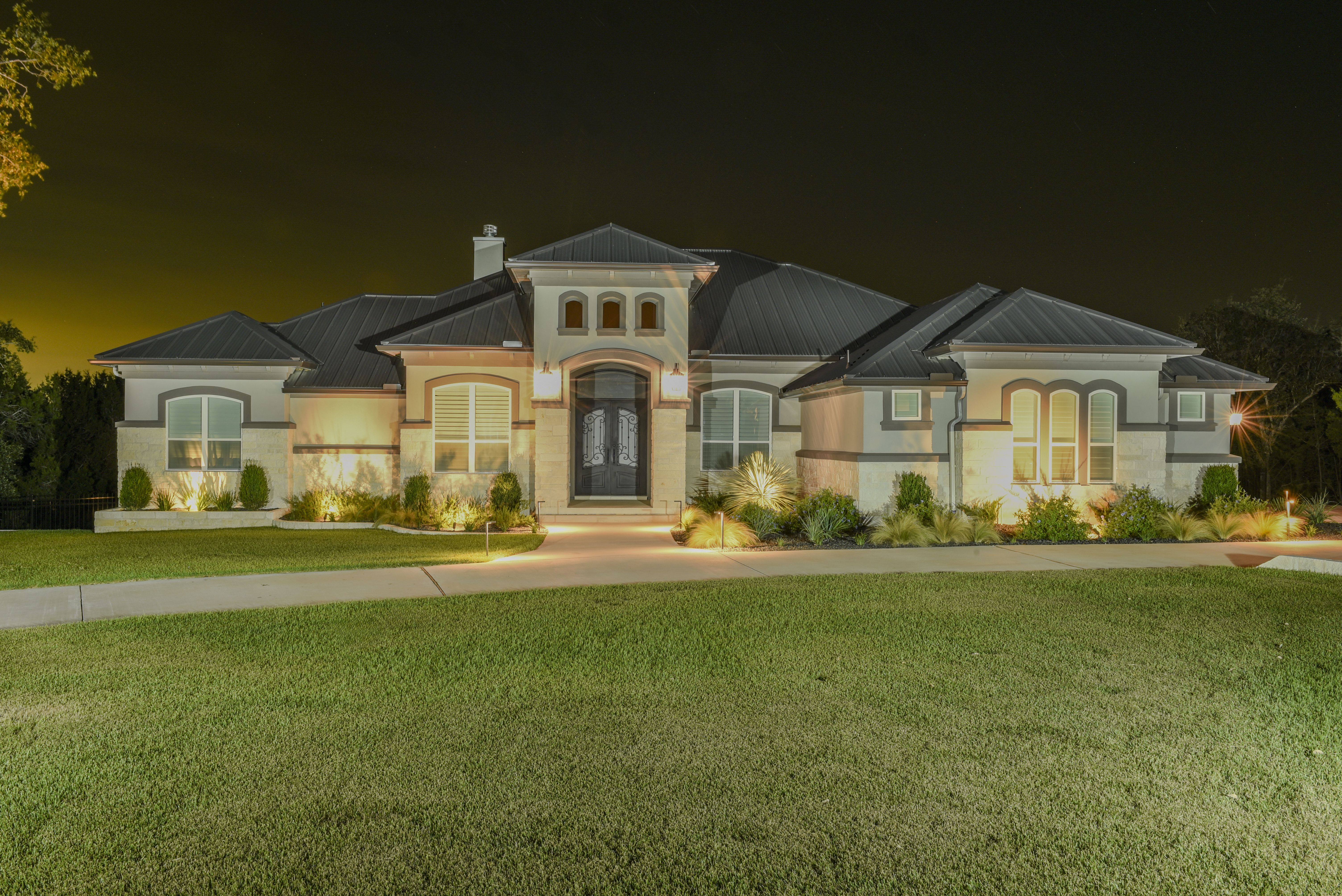
Night photography and painting with light
The crime scene photography course includes a dedicated evening/night photography session. Students practice tripod-supported long exposures, exposure control, painting with light, and photographing reconstructed bullet trajectories represented with lasers to document challenging low-light scenes.
Drag the slider to compare the scene before and after painting with light.

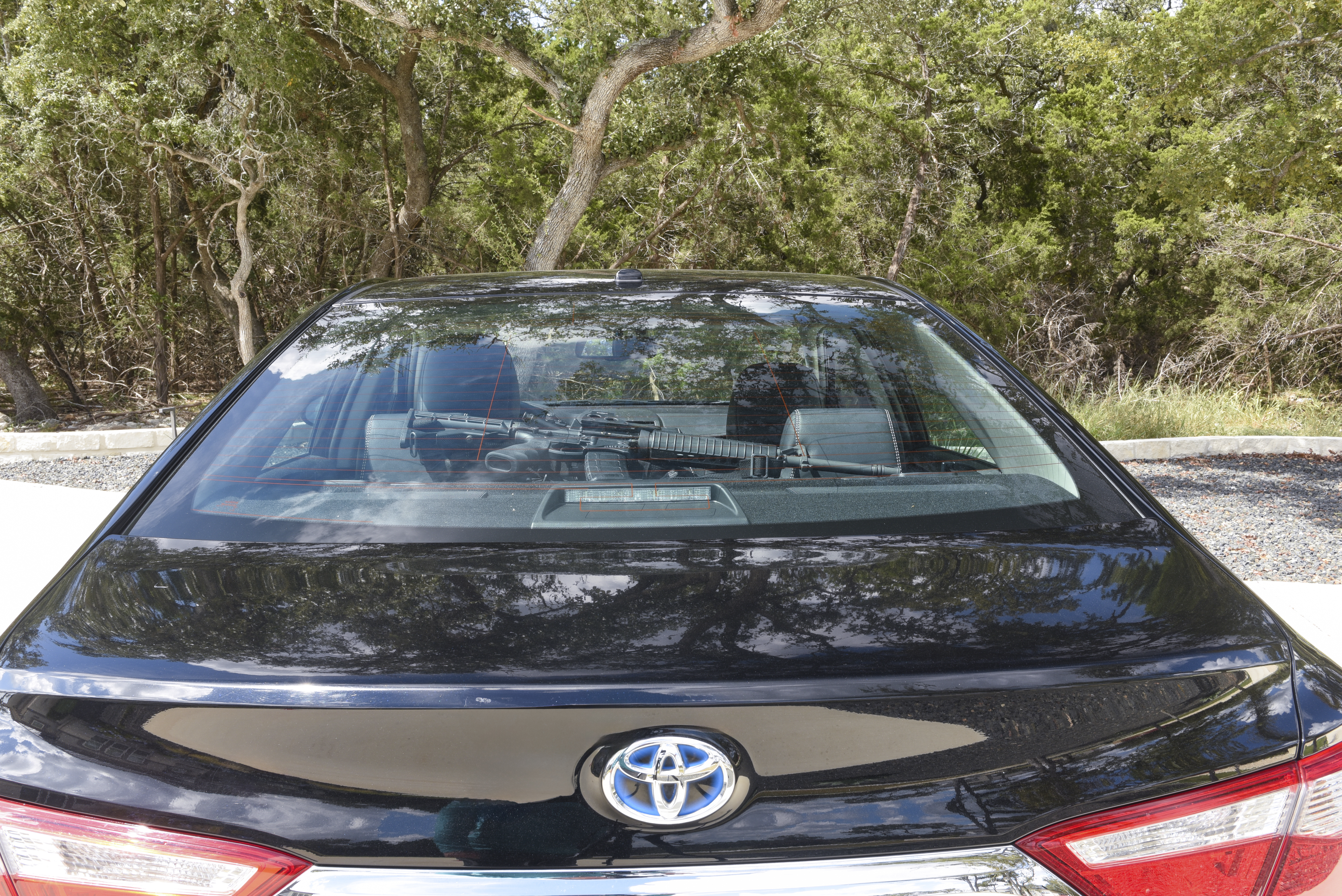
Reveal detail hidden by reflections
Reflections on glass and other shiny surfaces can obscure important evidence. Students learn practical techniques to reduce reflections and document hidden details more clearly.
Click either photo to enlarge

Required equipment for each attendee
Each attendee must bring the following equipment to class and should not plan to share or rely on another attendee’s equipment. Before class, please verify that all equipment is compatible and functioning properly.
- Camera (DSLR or mirrorless) with manual exposure controls
- Standard or zoom lens (general-purpose)
- Macro lens (for close-up photography)
- Dedicated TTL flash
- Wireless off-camera flash trigger/controller preferred; if using a compatible TTL flash cord, use one at least 6 feet long
- Tripod (vertical/horizontal capability)
- Remote shutter release (wired or wireless)
- Flashlight with clean white light
Optional equipment
- Laptop
- Camera card reader
Course FAQ
No payment is required when registering. Tuition is due once the course is confirmed. Registered attendees will receive payment instructions at that time.
The host agency provides a classroom with adequate seating and the ability to display video and play sound. Additional hosting information is available on the Host a Course page.
Ready to host this course?
Pinnacle Forensics provides this course on-site for law enforcement agencies nationwide. Hosting allows your agency to train multiple personnel locally while reducing travel costs and time away from duty.