Crime Scene Investigation Training

Crime scene investigation training from Pinnacle Forensics gives law enforcement personnel practical, hands-on instruction in scene documentation, forensic photography, bloodstain pattern analysis, and complete scene processing.

Upcoming courses

Swipe → to view full course details

CourseDateLocationRegisterTuitionFlyer
Crime Scene PhotographyJune 15-19, 2026New Braunfels, TexasEnroll Now
$650View Flyer
Bloodstain Pattern AnalysisAugust 3-7, 2026Jersey Village, TexasEnroll Now
$750View Flyer
Crime Scene PhotographyAugust 17-21, 2026Burnet, TexasEnroll Now
$650View Flyer

Need a purchase order quote or invoice? Use the course registration link above, or contact us for agency billing support.

Choosing training for your agency? Review why agencies choose Pinnacle Forensics training for practical instruction, defensible documentation, and agency support.

"In my 25 year career in Law Enforcement, this is the best Blood Pattern course I have attended. I highly recommend this course. Great course and great instructor."
Margarita Strahan
Investigator - Aransas County Sheriff's Office

Crime scene investigation training courses

Pinnacle Forensics offers crime scene investigation training for law enforcement personnel who need practical instruction in forensic photography, bloodstain pattern analysis, and complete scene processing.

Bloodstain Pattern Analysis

Designed for investigators working violent and blood-related scenes, this course covers BPA fundamentals through advanced applications using current techniques and terminology.

You will learn: identification, classification, and interpretation of bloodstain patterns; reconstructing events while remaining objective and methodical.

Format: lecture + hands-on practical exercises (animal blood).

Includes: an instructor-written manual of more than 200 pages and approximately 15 practical exercises and bloodstain pattern analysis subsets.

Credits:

  • Approved by the International Association for Identification (IAI)
  • Forty (40) credits toward the Bloodstain Pattern Analysis Certification
  • Forty (40) credits toward the Crime Scene Certification

Eligible for TCOLE continuing education credit hours. Supporting course documentation provided for agency submission and training records.

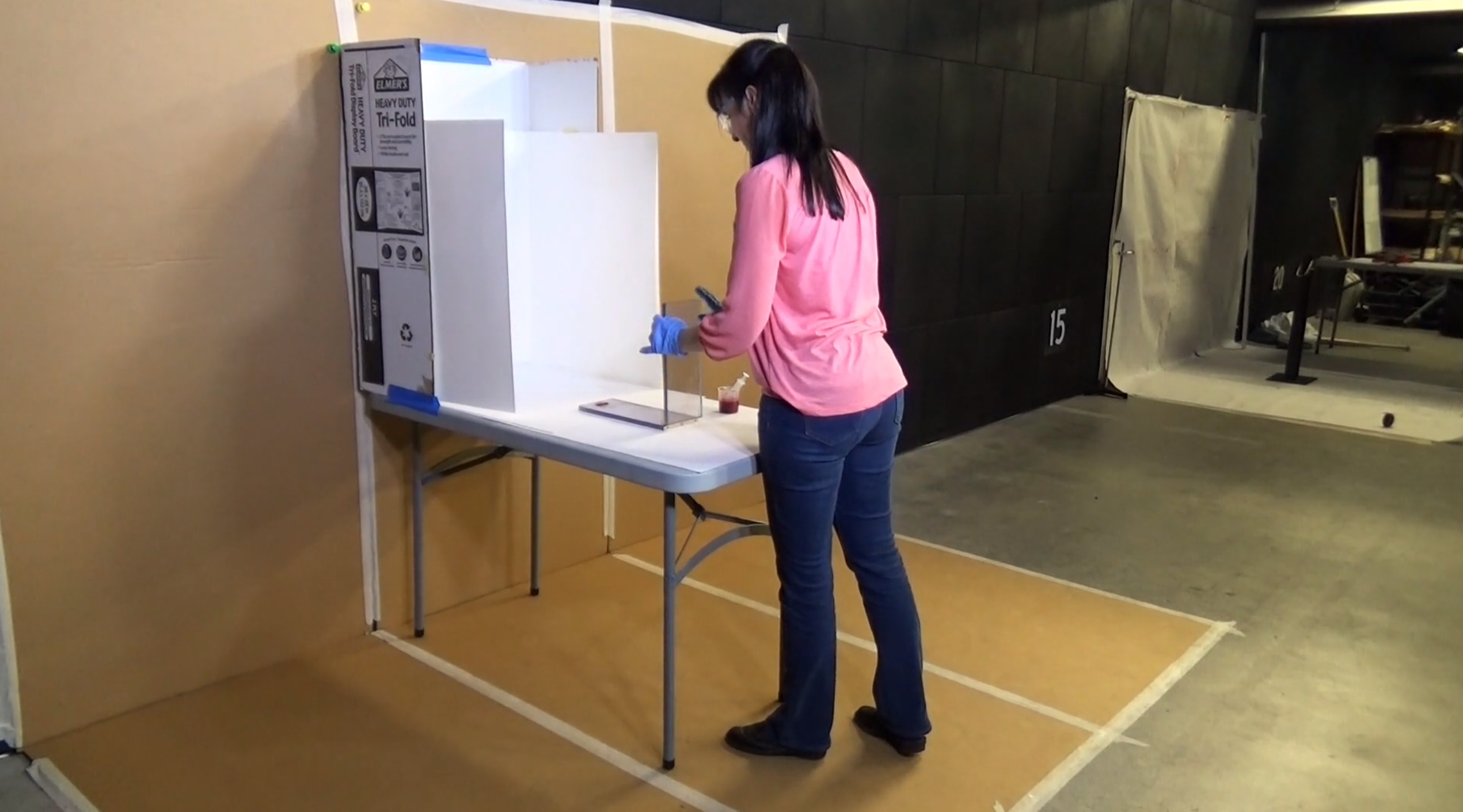
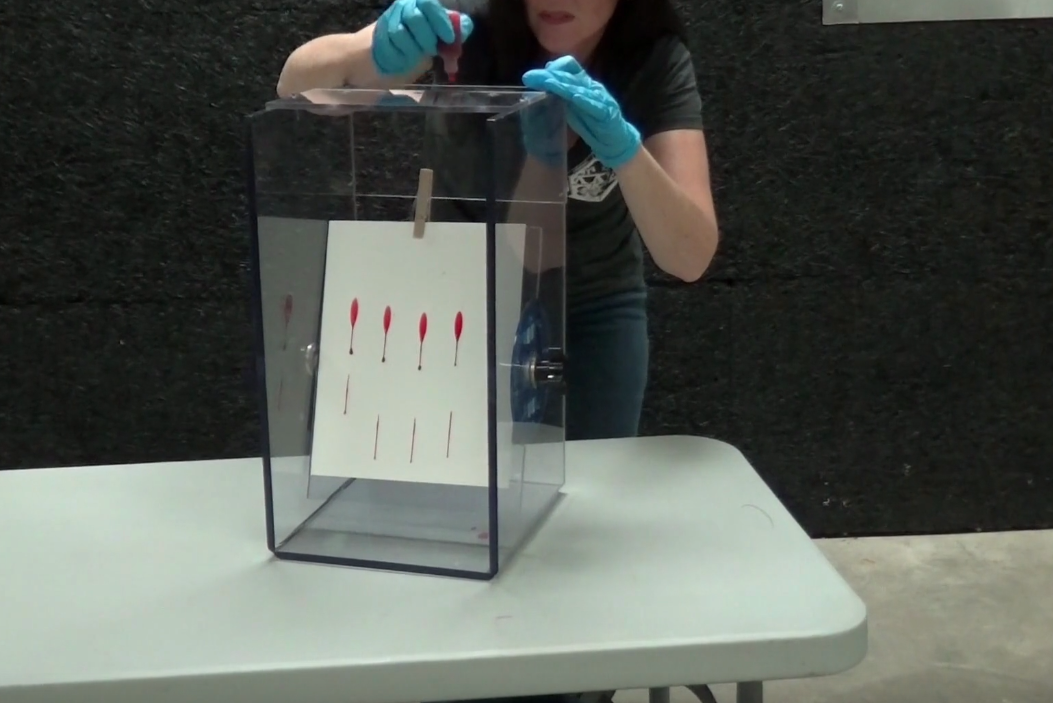
Bloodstain pattern analysis exercise used in crime scene investigation training
Camera and flash used for crime scene investigation training in forensic photography

Crime Scene Photography

This entry-level course teaches attendees to document crime scenes through photography and capture the sequence of required images. In addition, each participant creates a digital photographic notebook to track progress in class.

Topics include:

  • Nighttime and low-light photography
  • Infrared and ultraviolet photography
  • Bloodstain pattern analysis documentation
  • Bullet trajectory (laser) photography
  • Documentation of officer-involved shootings

Format: hands-on instruction focused on camera control in challenging conditions, with practical exercises and associated subsets introduced throughout the course.

Credits:

  • Approved by the International Association for Identification (IAI)
  • Forty (40) credits toward the Forensic Photography & Imaging (FP&I) Certification
  • Forty (40) credits toward the Crime Scene Certification

Eligible for TCOLE continuing education credit hours. Supporting course documentation provided for agency submission and training records.

Crime Scene Processing and Documentation

Our two-week (80-hour) Crime Scene Processing and Documentation training course is an entry-level course designed for newly appointed crime scene personnel. As a result, attendees learn crime scene methodology and how to document and process scenes from start to finish.

Best for: new crime scene investigators/technicians and personnel seeking an end-to-end processing workflow.

Covers: crime scene photography, bloodstain pattern analysis, officer-involved and general shooting incidents.

Format: hands-on training with several dozen practical exercises to strengthen students’ abilities.

Eligible for TCOLE continuing education credit hours. Supporting course documentation provided for agency submission and training records.

Evidence placards used in crime scene investigation training for scene processing and documentation
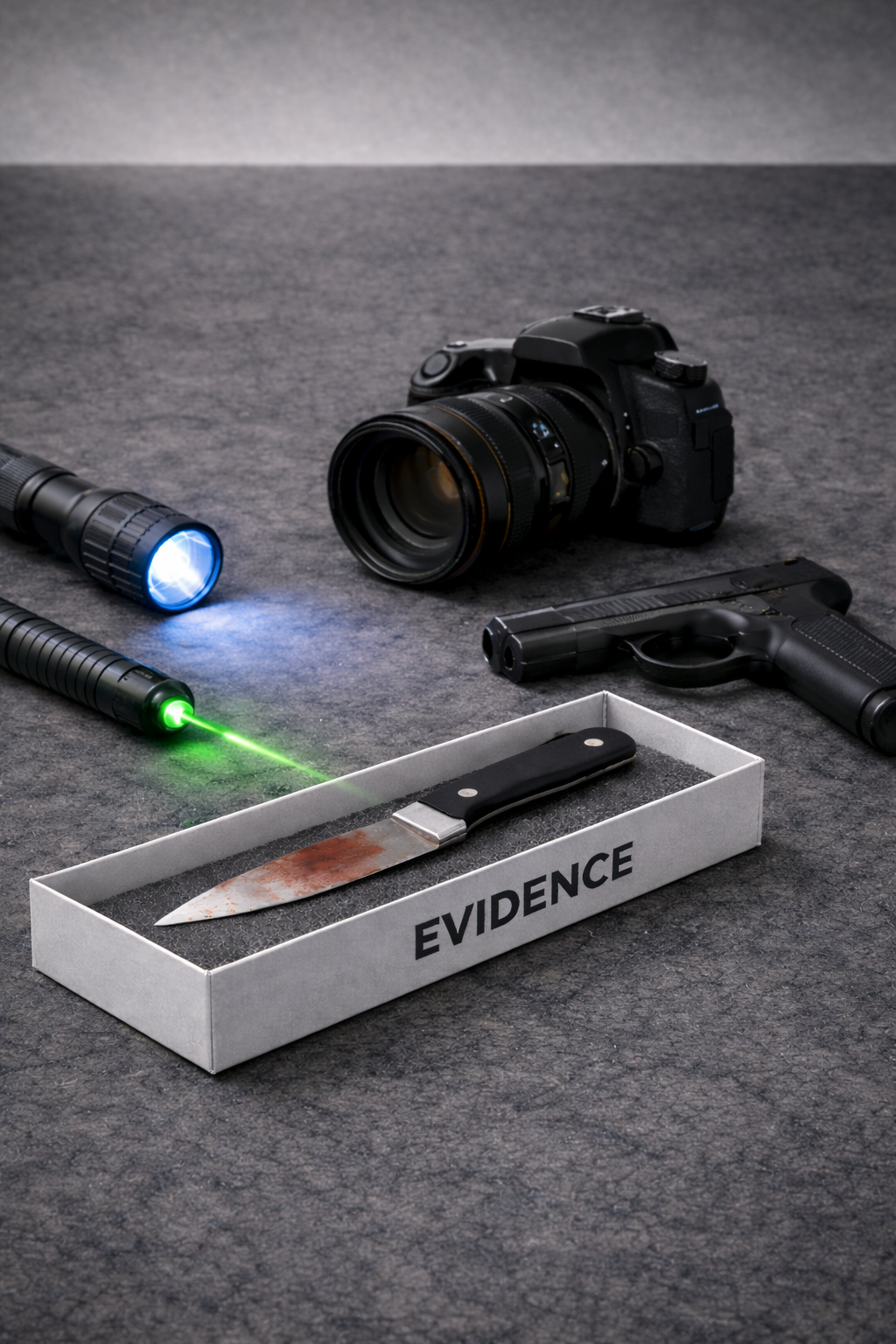
Camera, knife, firearm, and laser setup used in crime scene investigation training

Our courses

Why our hands-on crime scene investigation training courses stand out

If you’re evaluating crime scene investigation training for your agency, here’s what attendees and agencies value most about Pinnacle Forensics training:

  • Hands-on, skills-first instruction: practical exercises designed to build real scene competence—not just theory.
  • Job-relevant methods and workflows: documentation and processing techniques that translate directly to field work.
  • Structured progression: clear instruction, guided practice, and feedback so students leave able to apply the methods.
  • Course-specific exercises: each course includes practical work and subsets to reinforce the material.
  • IAI-approved training: approvals and credits are listed on each course page and in the course flyers. Agencies and students may also review the International Association for Identification’s crime scene training information.

If you want the fastest path, use the course cards above to select the class that matches your role and training need, then register from the course page.

Agencies and students can also review testimonials from prior Pinnacle Forensics course participants.

Students, agencies, and investigators can learn more about Pinnacle Forensics’ background and experience on the About page or review the Pinnacle Forensics blog for articles on crime scene training, documentation, bloodstain pattern analysis, and forensic casework.

Crime scene investigator training demonstrations

Short instructional demonstrations from live Bloodstain Pattern Analysis training, designed for crime scene investigators and focused on applied methodology and courtroom-defensible interpretation.

Bloodstain pattern analysis training videos

Short, courtroom-defensible training videos demonstrating practical bloodstain pattern analysis methods used in real-world crime scene investigations.

Bloodstain Pattern Analysis Training Videos
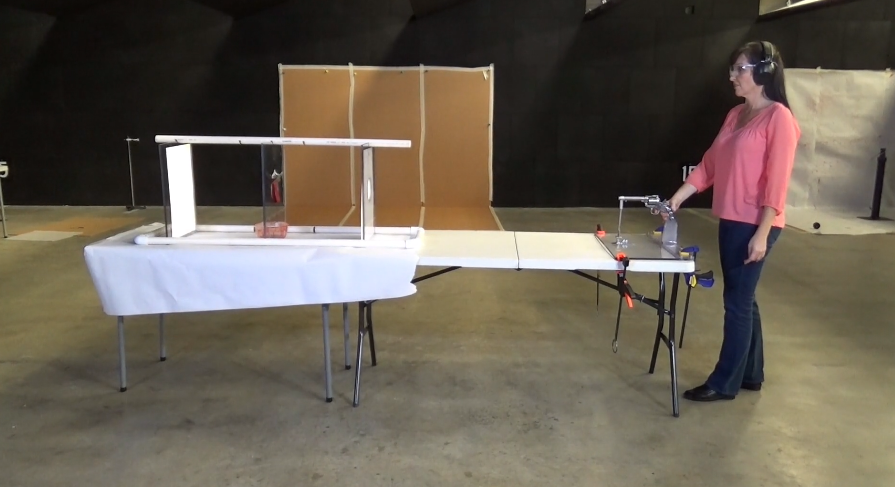
4 Videos
Applied BPA methods

Explosive force can disperse liquid blood into fine droplets and produce complex impact patterns on nearby surfaces. Interpretation should be grounded in overall scene context and the pattern’s features, and may support distinctions such as forward spatter versus backspatter when the staining is suitable for analysis.

What students and professionals say

Feedback from law enforcement personnel and forensic professionals reflects the practical, methodical approach used throughout Pinnacle Forensics training, case review, and consulting.

Five-star feedback from crime scene training

Very knowledgeable instructor who breaks down difficult concepts into easy-to-remember concepts with insightful hands-on practicals.

Paul Richards

Fremont Police Department

Five-star feedback from crime scene training

John gave great lectures and included a lot of hands-on exercises. As someone new to this field, I feel confident enough to go and take photos at any scene.

Crystal Carbajal

Rockport Police Department

Five-star feedback from crime scene training

The instructor is extremely knowledgeable and helpful in trying to help others succeed. I would highly recommend this training to anyone working in crime scene investigation.

Noah Hood

Longview Police Department

View upcoming hands-on crime scene training, host a course at your agency, or request a case review when independent forensic consultation is needed.

Host crime scene investigation training

Pinnacle Forensics delivers on-site crime scene investigation training for law enforcement agencies—taught at your location for your personnel.

As a result, hosting lets you train multiple personnel at once while reducing travel costs and minimizing time away from duty.

Benefits of hosting a course

  • Train multiple personnel at the same time
  • Instruction delivered at your agency or a preferred location

  • Reduced travel and lodging expenses

  • Applicable to patrol officers, investigators, and supervisors

  • Hosting agency tuition may be waived when minimum enrollment requirements are met

For example, you can review hosting details including scheduling options, course formats, and minimum enrollment requirements.

For questions about registration, payment, hosting, certificates, and training logistics, visit the FAQ page.