IAI-Approved 40-Hour Course
Bloodstain Pattern Analysis Training
This 40-hour bloodstain pattern analysis training course is approved by the International Association for Identification (IAI) and is designed for personnel investigating violent and bloody crime scenes.
The training covers bloodstain patterns, blood spatter interpretation, event reconstruction, and sequence interpretation through lecture and hands-on practical exercises.
15 practical exercises and related subtests using animal blood
200-plus-page manual provided to each attendee
40 credits toward IAI Crime Scene Certification and Recertification
40 credits toward IAI Bloodstain Pattern Analysis Certification and Recertification
May be eligible for TCOLE credit hours under current reporting requirements
Instruction by John Calvin Gaziano, a retired police sergeant with 32 years of law enforcement experience and 24 years in crime scene investigation. While serving with the Fremont Police Department, he was an IAI-certified bloodstain pattern analyst and senior crime scene analyst. He has also been qualified as an expert in court in bloodstain pattern analysis and crime scene investigation.
Topics covered in bloodstain pattern analysis training
- Introduction to Bloodstain Pattern Analysis
- Biology and Characteristics of Blood
- Characteristics of Blood Droplets on Impact
- Limitations of Bloodstain Pattern Analysis
- Bloodstain Patterns and Blood Spatter
- Bloodborne Pathogens
- Physics Relating to Bloodstain Pattern Analysis
- Area of Convergence and Origin
- Bloodstain Pattern Associated Evidence
- Bloodstain Pattern Documentation
- Courtroom Testimony
- Chemical Tools
- Fifteen (15) Hands-On Exercises and Subsets
Bloodstain Pattern Analysis Training Videos
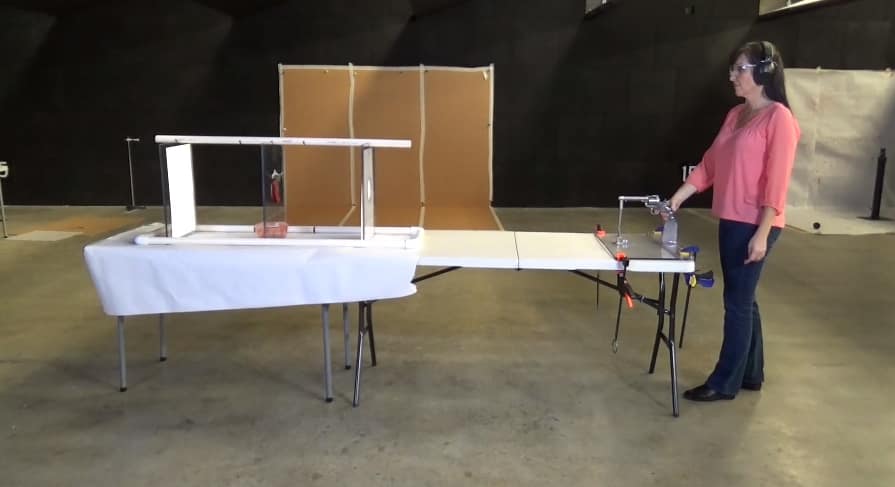
Short, courtroom-defensible training videos demonstrating practical bloodstain pattern analysis and blood spatter interpretation methods used in real-world investigations.
Bloodstain Pattern Analysis Training Videos
1:42
1:20
1:42
1:45
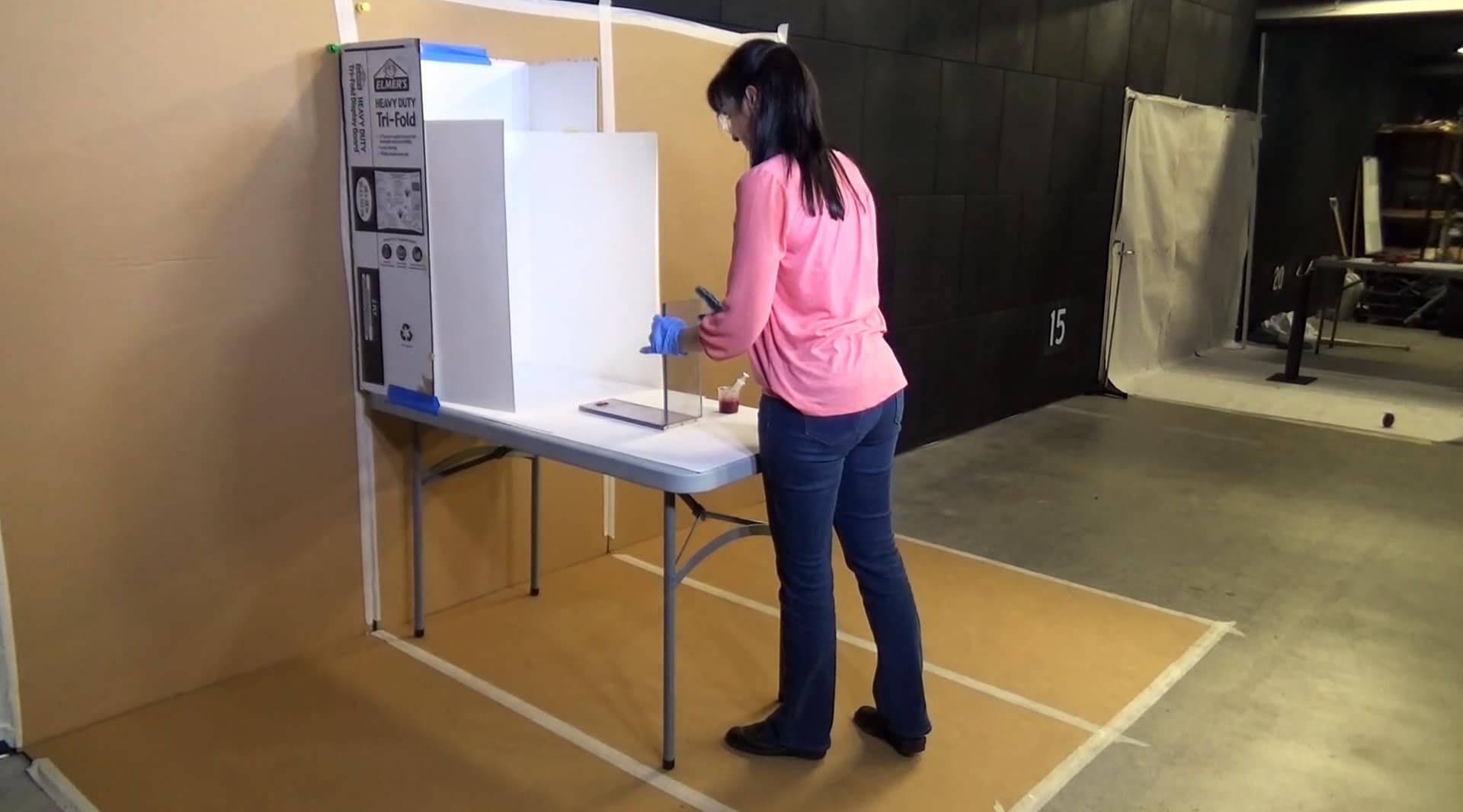
Explosive force can disperse liquid blood into fine droplets and produce complex impact patterns on nearby surfaces. Interpretation should be grounded in overall scene context and the pattern’s features and may help distinguish forward blood spatter from backspatter when the staining is suitable for analysis.
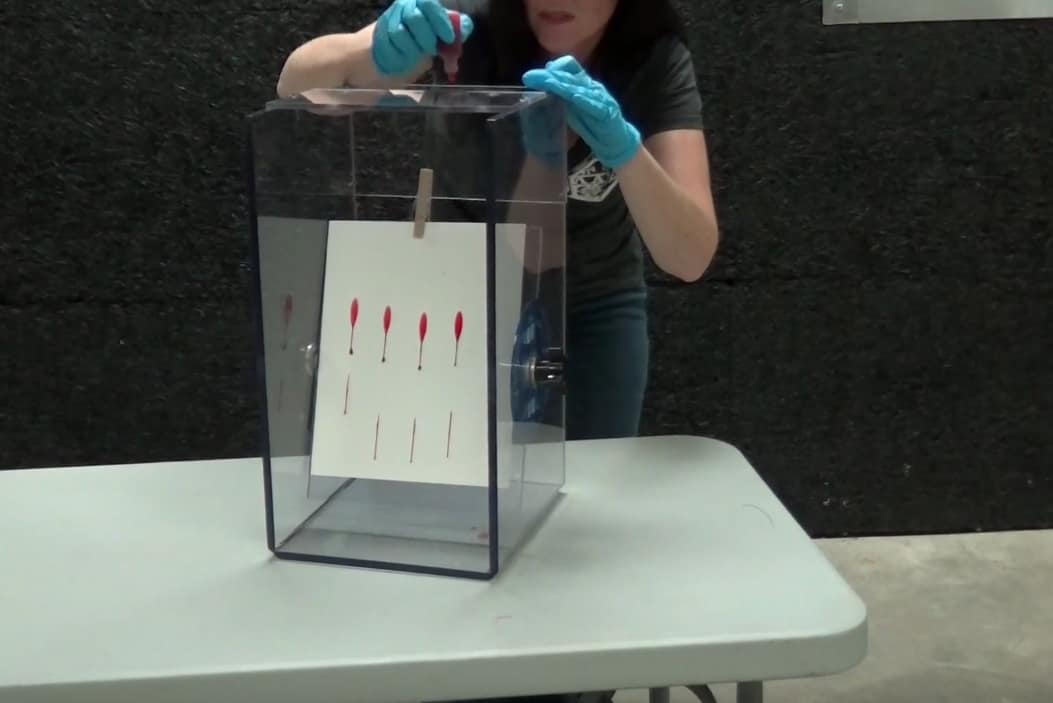
Stain size in impact patterns can correlate with the force applied to a liquid blood source, but droplet size alone does not identify the mechanism. A reliable interpretation considers the suspected object or event dynamics and whether the pattern contains sufficient characteristics to support area-of-origin analysis.
Individual bloodstains can range from circular to elliptical, and their shape reflects the angle at which blood impacts a surface. When enough suitable stains are present, impact-angle interpretation can be correlated across the pattern to support an area-of-origin determination.
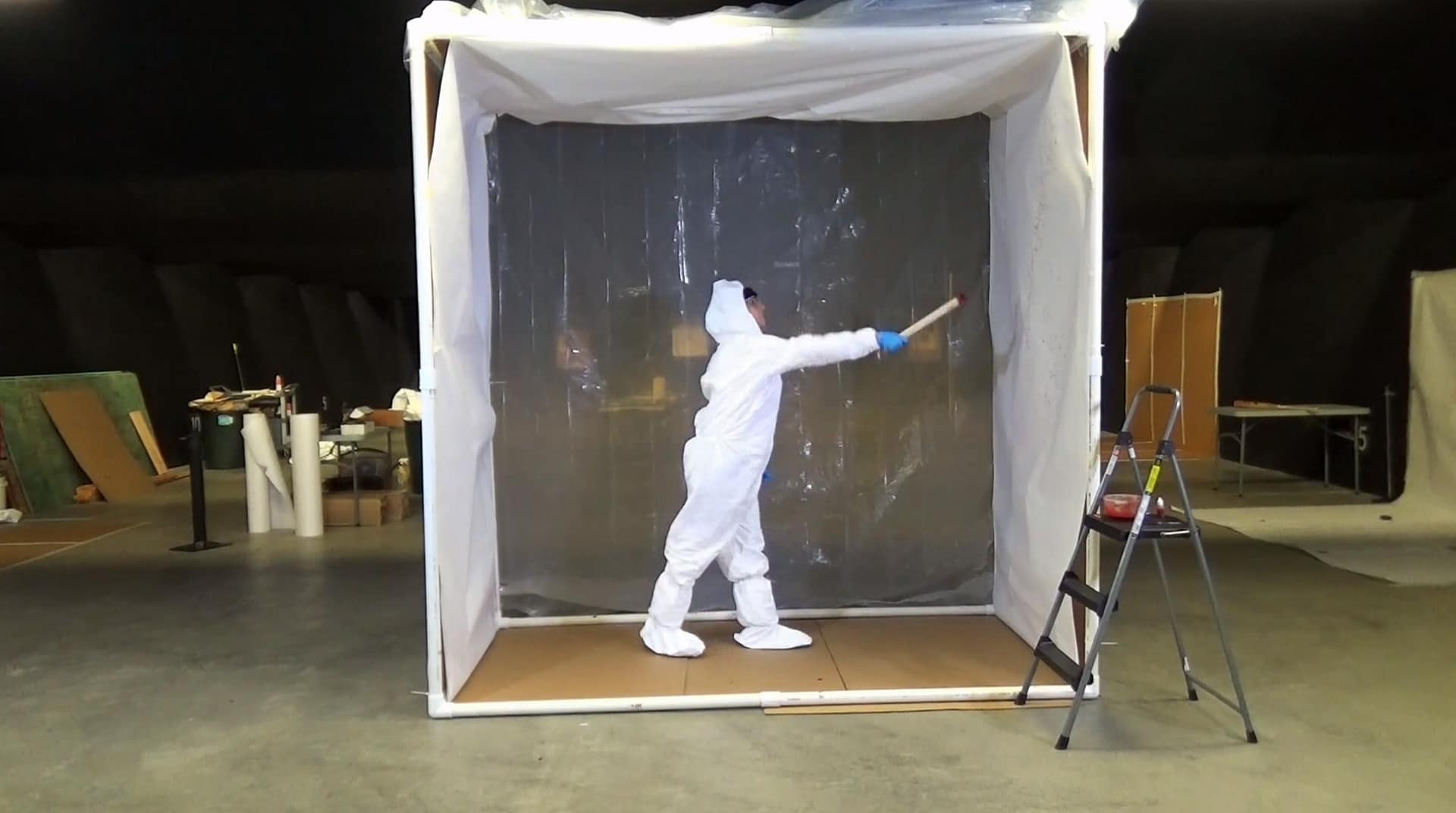
Cast-off patterns are linear to semi-linear bloodstain trails, sometimes with slight curvature, formed when blood is released from an object in motion. They commonly result from swinging movements of a blood-bearing object such as a hammer, pipe, or hand.

Bloodstain Pattern Analysis Training Demonstrations
Short instructional demonstrations from live Bloodstain Pattern Analysis training, designed for crime scene investigators and focused on applied blood spatter interpretation, area-of-origin methods, and courtroom-defensible analysis.
Course information
- Course Duration - 40 Hours
- Prerequisites - None
- Tuition - $750
- Instructor - John Calvin Gaziano, MFS, MS - Retired Police Sergeant
Bloodstains and bloodstain patterns
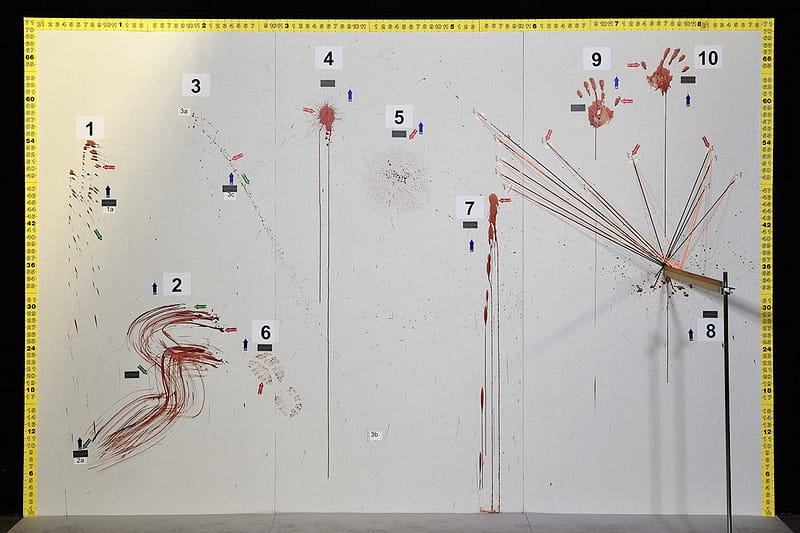
A quick visual reference to the bloodstain patterns and blood spatter patterns commonly evaluated in casework.
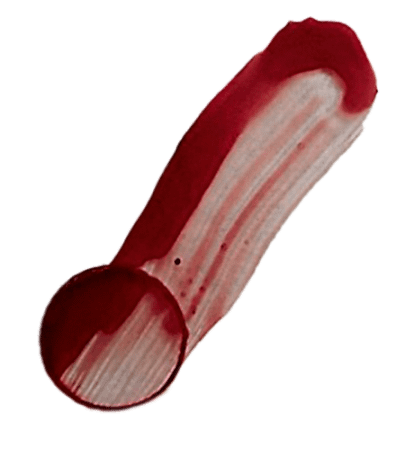
Examples include cast-off, drip trails, transfer and wipe patterns, projected and impact patterns, voids, saturation stains, and altered patterns.


Microscopy in bloodstain analysis
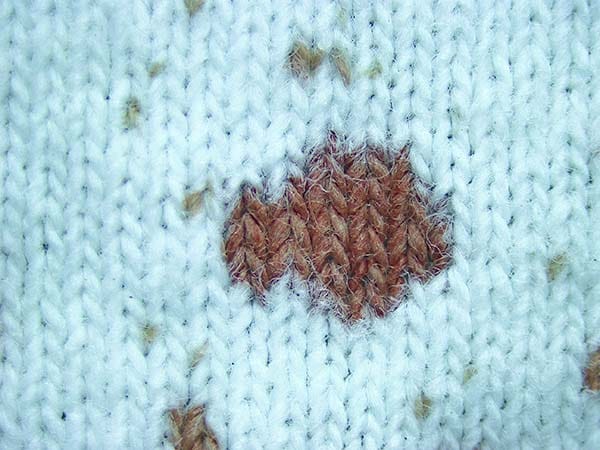
Microscopy can help evaluate fine bloodstains on fabric and support distinctions such as transfer versus blood spatter when pattern features are subtle. Findings are interpreted in the context of the full case record and documented for clear reporting.
Host a bloodstain pattern analysis training course
Pinnacle Forensics delivers on-site bloodstain pattern analysis training for law enforcement agencies, taught at your location for your personnel.
Hosting lets you train multiple personnel at once while reducing travel costs and minimizing time away from duty.
Benefits of Hosting a Course
- Train multiple personnel at the same time
Instruction delivered at your agency or a preferred location
Reduced travel and lodging expenses
Applicable to patrol officers, investigators, and supervisors
Hosting agency tuition may be waived when minimum enrollment requirements are met
Get hosting details including scheduling options, course formats, and minimum enrollment requirements.
Bloodstain pattern analysis training locations
Looking for bloodstain pattern analysis training in Texas or a specific city? Explore the training location pages below.