IAI-Approved 40-Hour Course

Bloodstain Pattern Analysis Training

This 40-hour bloodstain pattern analysis training course is approved by the International Association for Identification (IAI) and is designed for personnel investigating violent and bloody crime scenes.

The training covers bloodstain patterns, blood spatter interpretation, event reconstruction, and sequence interpretation through lecture and hands-on practical exercises.

  • 15 practical exercises and related subtests using animal blood

  • 200-plus-page manual provided to each attendee

  • 40 credits toward IAI Crime Scene Certification and Recertification

  • 40 credits toward IAI Bloodstain Pattern Analysis Certification and Recertification

Instruction by John Calvin Gaziano, a retired law enforcement sergeant with 32 years of law enforcement experience and 24 years in crime scene investigation. While serving with the Fremont Police Department, he was an IAI-certified bloodstain pattern analyst and senior crime scene analyst. He has also been qualified in court as an expert in bloodstain pattern analysis and has testified in crime scene investigation matters.

Eligible for TCOLE continuing education credit hours. Pinnacle Forensics provides supporting course documentation for agency submission and training records.

Need approval support before requesting or hosting training? Review why agencies choose Pinnacle Forensics training for practical instruction, defensible documentation, and agency support.

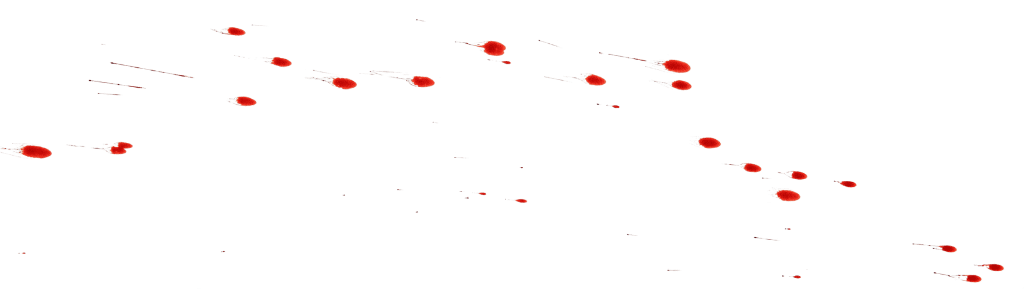
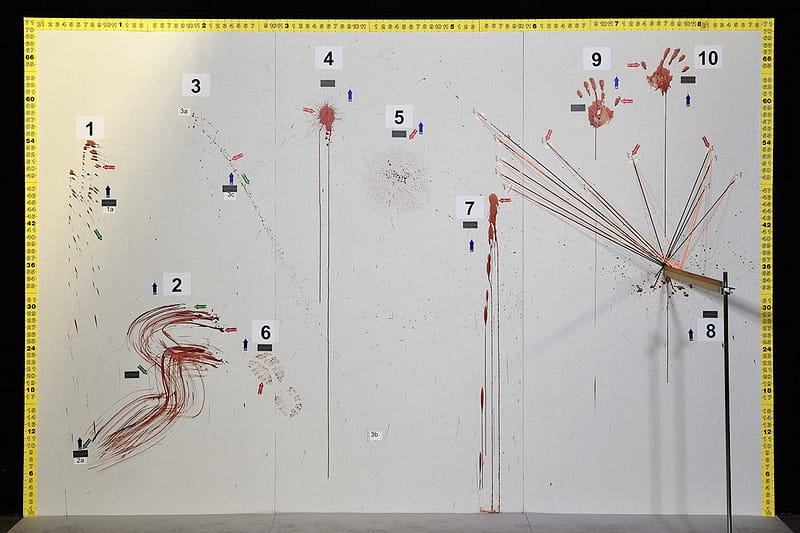
Multiple bloodstain patterns on a wall - Bloodstain Pattern Analysis Training

Topics covered in bloodstain pattern analysis training

Bloodstain Pattern Analysis Training Videos
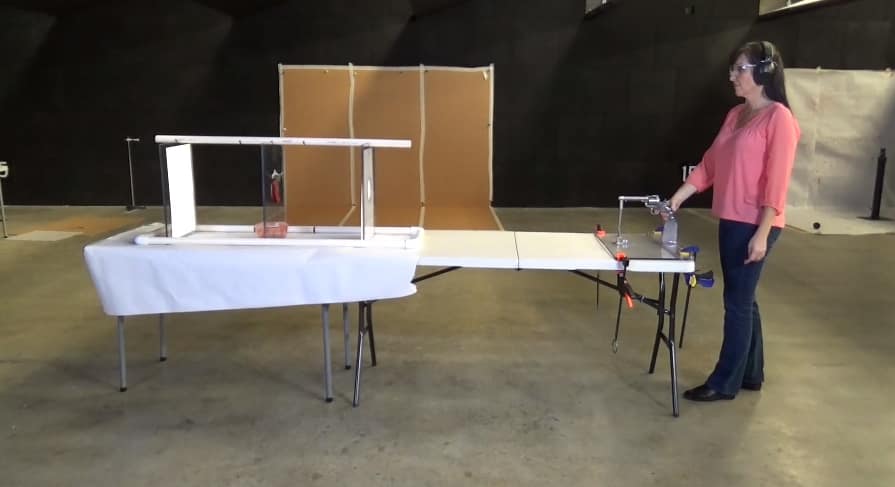
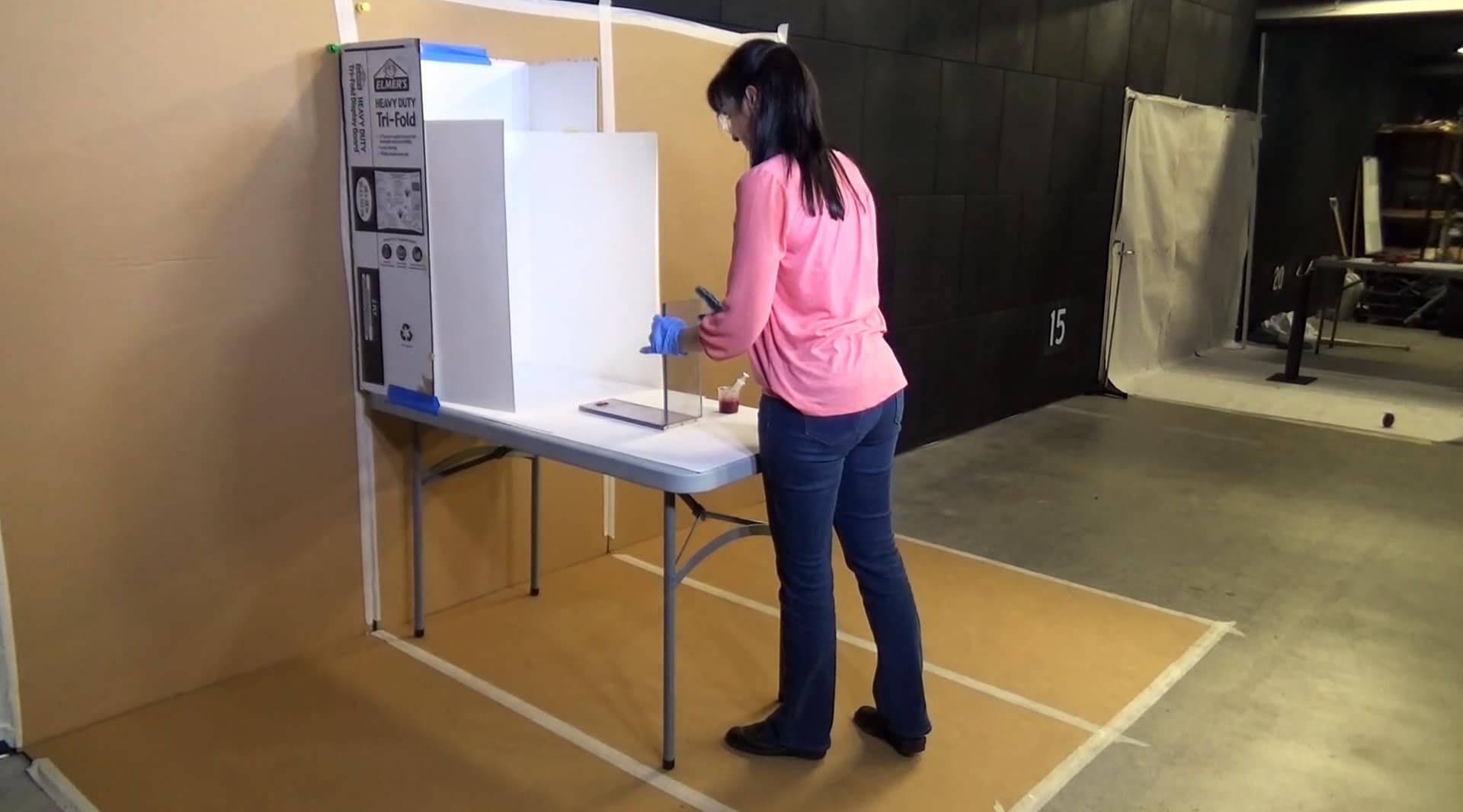
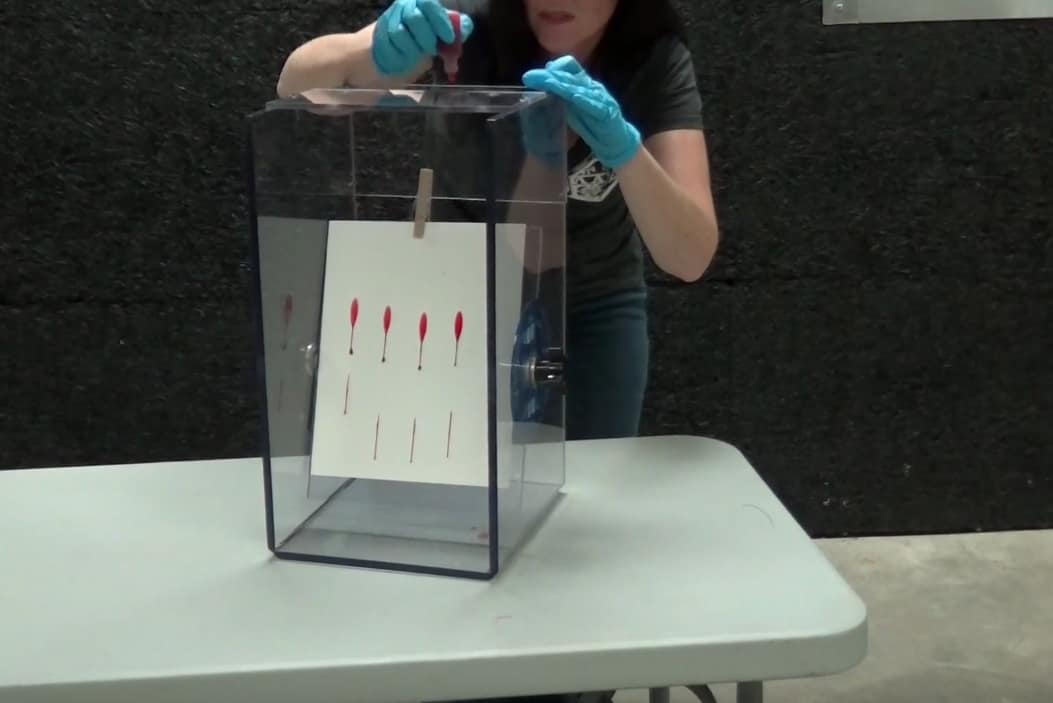
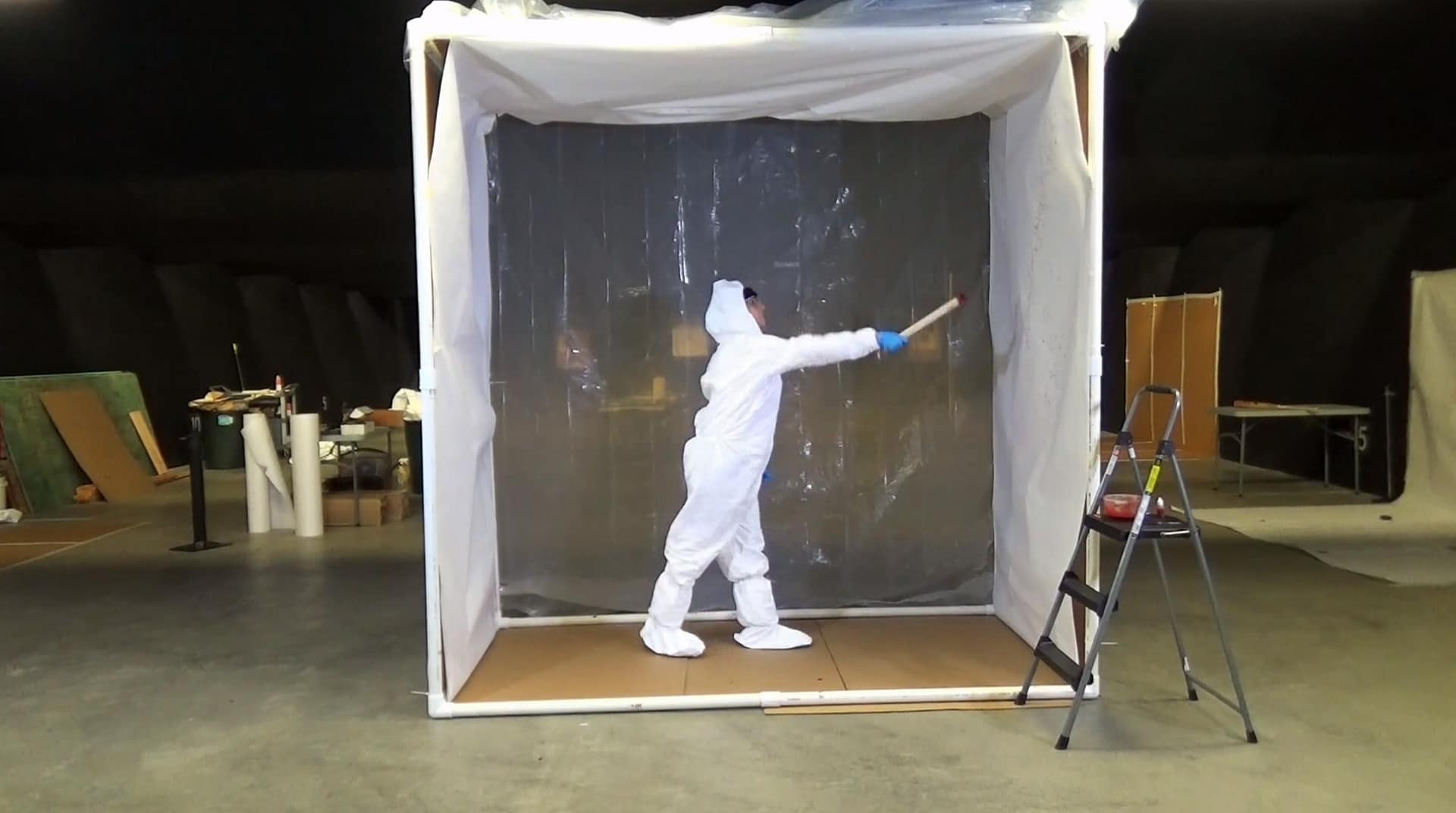
Short, courtroom-defensible training videos demonstrating practical bloodstain pattern analysis and blood spatter interpretation methods used in real-world investigations.

Bloodstain Pattern Analysis Training Videos

4 Videos
Demonstration Focus: Applied bloodstain pattern analysis methods used in crime scene investigations.

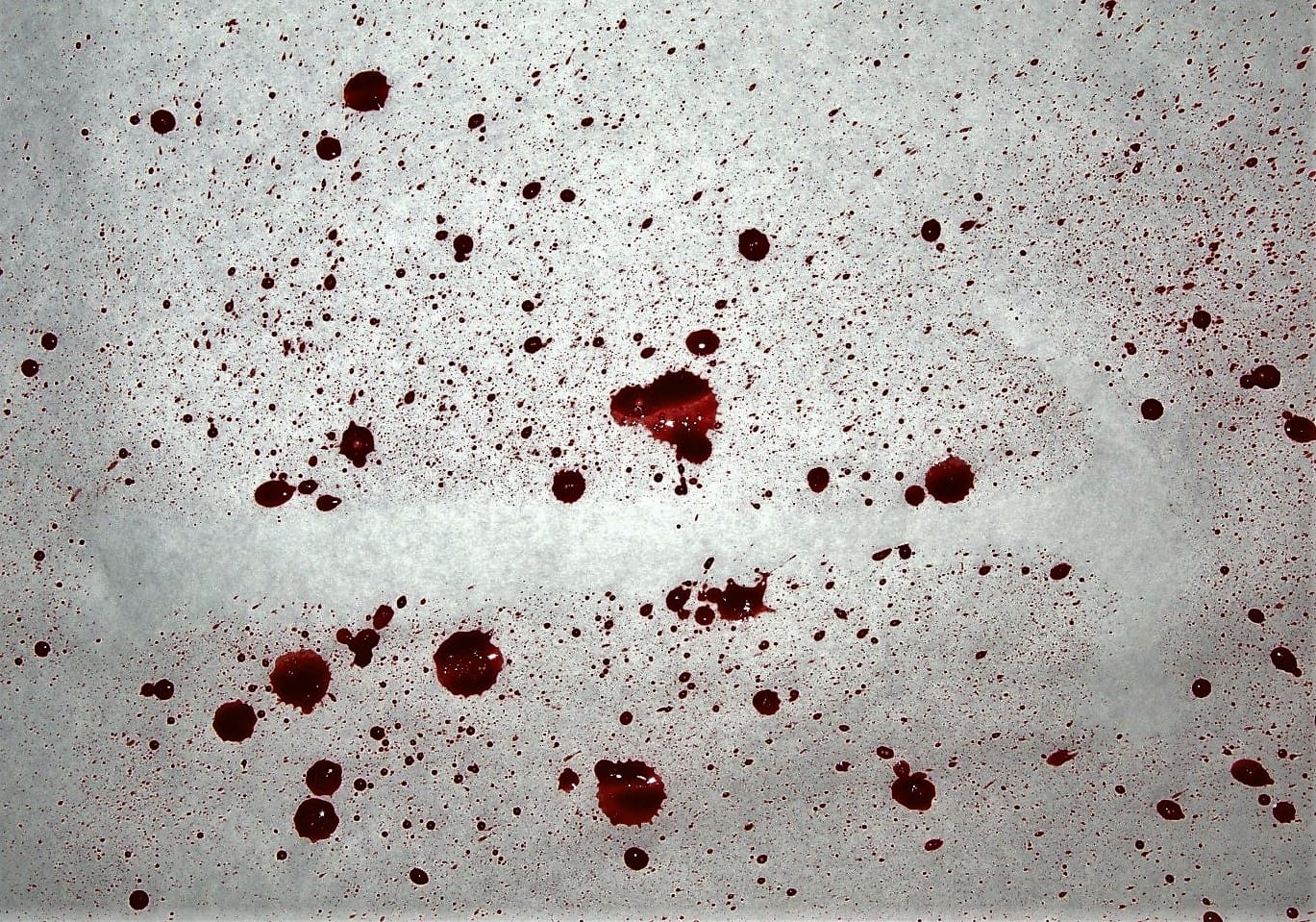
Explosive force can disperse liquid blood into fine droplets and produce complex impact patterns on nearby surfaces. Interpretation should be grounded in overall scene context and the pattern’s features and may help distinguish forward blood spatter from backspatter when the staining is suitable for analysis.

Bloodstain Pattern Analysis Training Demonstrations

Short instructional demonstrations from live Bloodstain Pattern Analysis training, designed for crime scene investigators and focused on applied blood spatter interpretation, area-of-origin methods, and courtroom-defensible analysis.

Course information

Bloodstains and bloodstain patterns

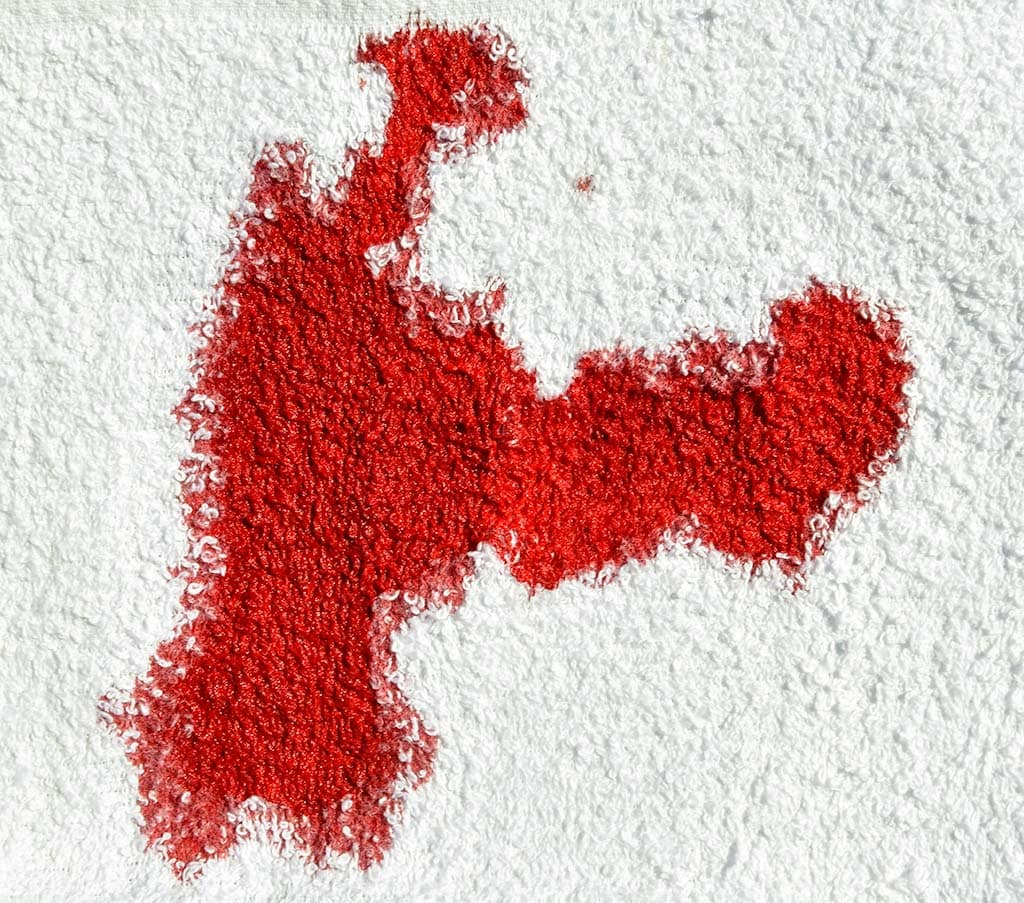
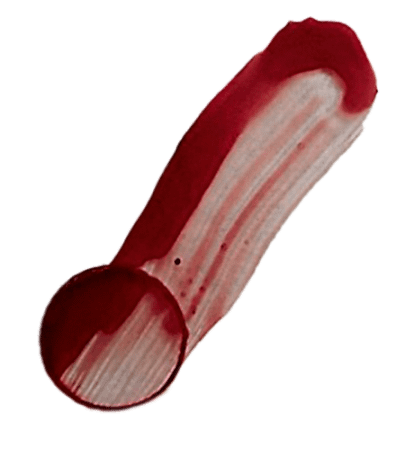
A quick visual reference to the bloodstain patterns and blood spatter patterns commonly evaluated in casework.

Microscopy in bloodstain analysis

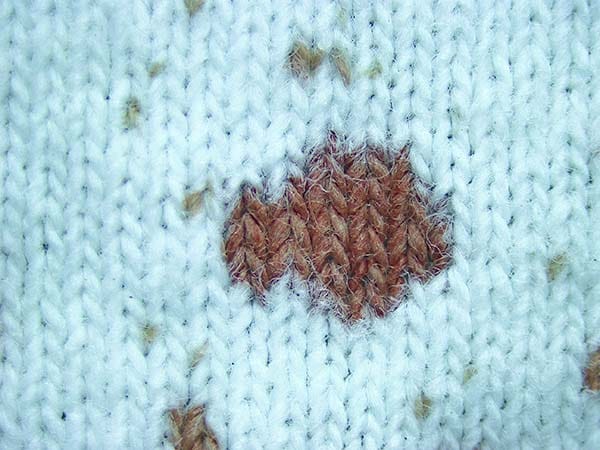
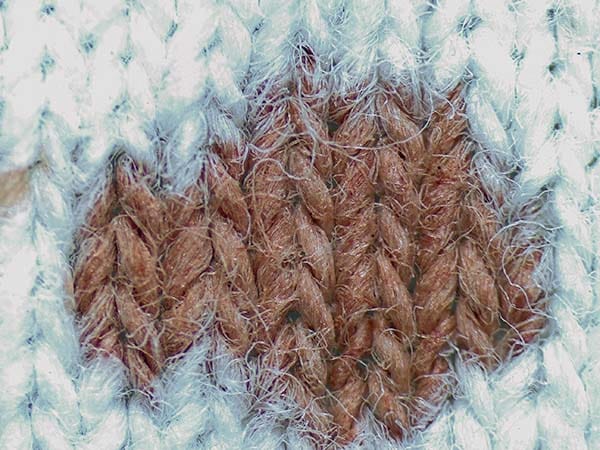
Microscopy can help evaluate fine bloodstains on fabric and support distinctions such as transfer versus blood spatter when pattern features are subtle. Findings are interpreted in the context of the full case record and documented for clear reporting.

Host a bloodstain pattern analysis training course

Pinnacle Forensics delivers on-site bloodstain pattern analysis training for law enforcement agencies, taught at your location for your personnel.

Hosting lets you train multiple personnel at once while reducing travel costs and minimizing time away from duty.

Benefits of Hosting a Course

  • Train multiple personnel at the same time
  • Instruction delivered at your agency or a preferred location

  • Reduced travel and lodging expenses

  • Applicable to patrol officers, investigators, and supervisors

  • Hosting agency tuition may be waived when minimum enrollment requirements are met

Get hosting details including scheduling options, course formats, and minimum enrollment requirements.

Related bloodstain pattern analysis resources

These related articles and training recaps provide additional context for agencies and investigators evaluating bloodstain pattern analysis training.

error: Copyright © Pinnacle Forensics. Unauthorized copying or reuse is prohibited.